Vietnam vs China Sourcing: Which Is Right for Your Product?
Finding the right manufacturing hub rarely comes down to grabbing the cheapest factory price on paper. Raw materials, freight rates, order sizes, and quality standards all weigh heavily on what your business ends up paying. Today, Vietnam vs China sourcing is an important consideration for brands trying to manage costs and build a more resilient supply chain. Vietnam offers major advantages for certain categories, yet sticking with China often makes far more sense for others. Ultimately, it boils down to what you are building and what your supply chain demands.
What Makes Vietnam and China Different?
China has spent decades building a well-established manufacturing ecosystem that supports everything from basic plastic goods to high-tech electronics. Factories there usually benefit from local component supply chains, which can simplify production when a finished product needs dozens of specialized parts.
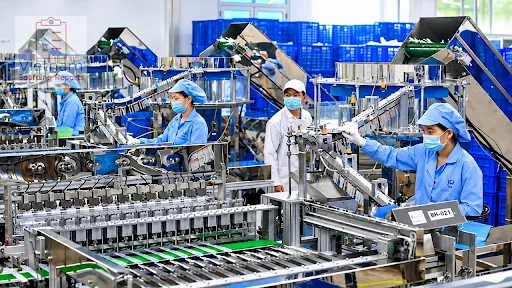
Vietnam, on the other hand, has established manufacturing strengths in apparel, footwear, furniture, and certain consumer electronics categories. If your product falls into one of these categories, you may find suitable facilities and competitive quotations.
That said, a cheaper unit quote doesn't always guarantee a cheaper final shipment. If a factory in Vietnam has to import key sub-assemblies or can't meet your target order size, your margins can shrink fast. The same risk applies to any partner that struggles with defect rates or delivery dates.
A careful Vietnam vs China sourcing comparison should account for these costs before you commit to a supplier.
When Is Vietnam Worth Considering?
Looking into Vietnam makes sense when your product matches what local facilities do best and the factory can handle your production setup.
For instance, businesses sourcing apparel or wooden furniture may find suitable manufacturing partners in Vietnam. By contrast, a business producing a complex hardware device that relies on a dense network of specialized components may find it more practical to work with a Chinese supplier.
Vietnam is worth evaluating if you want to:
Review production costs: Benchmark factory prices and landed expenses for items Vietnamese suppliers make every day.
Reduce dependence on one market: Build a secondary manufacturing base so you aren't relying entirely on a single origin.
Build a long-term supplier relationship: Partner with a growing facility that can scale with your volume and maintain quality as you grow.
Explore different production options: See whether an alternative hub offers a better overall fit for your catalog.
The key is evaluating real facilities on the ground rather than assuming one country is automatically cheaper across the board.
China Plus One: Do You Need to Choose Just One?
You don't necessarily have to pull everything out of China to reduce risk. Many brands now run a China plus one strategy—keeping primary suppliers in China while setting up a secondary base in another country.
Vietnam is one option businesses consider for this approach.
Under this model, you might keep buying custom sub-components in China while assembling the final item in Vietnam. Or you might shift just a few specific SKUs after testing actual lead times, quality levels, and total landed cost.
This strategy requires coordination. Running dual operations can mean additional factory audits, separate production schedules, and more complex logistics. You also need to pay close attention to customs clearance rules and rules of origin. Simply assembling parts in Vietnam does not automatically establish Vietnamese origin or qualify goods for preferential tariff treatment. The applicable rules depend on the product, manufacturing process, and destination market.
For companies seeking operational agility, though, maintaining parallel options is often worth the extra effort.
Manufacturing in Vietnam vs China: What Should You Check?
Before signing a contract, benchmark the key variables that impact your true costs:
Factory price: Get quotes based on identical specs, raw materials, and unit counts.
Minimum order quantity: Check whether the supplier's minimum order quantity fits your sales forecast, inventory needs, and available working capital.
Material availability: Map out where sub-components originate so you know if imported inputs will cause lead-time bottlenecks or extra costs.
Shipping and duties: Calculate total ocean/air freight, insurance, port fees, and destination tariffs.
Product quality: Evaluate pre-production samples against your specifications and agree on pre-shipment inspection requirements before production begins.
Supplier reliability: Check their actual monthly capacity, request references, and confirm realistic lead times.
These factors can significantly change the outcome of a cost comparison. A manufacturer with a slightly higher upfront rate can actually save you money if they deliver clean quality, minimize rework, and ship on schedule.
How to Identify the Best Cost Country for Your Product
The best cost country sourcing decision involves more than comparing factory prices. It requires looking at the total expense of producing, shipping, and delivering a finished product.
Start by drafting a detailed product specification sheet. Spell out dimensions, materials, packaging, quality tolerances, and order volumes. Share the exact same document with teams in both markets so you can run a clean side-by-side comparison.
From there, calculate your true total landed cost. Add up tooling fees, shipping, insurance, customs, and third-party inspection costs alongside the base factory price.
Before committing to a production run:
1. Benchmark physical samples against your specs.
2. Confirm production line availability and ship dates.
3. Establish clear payment terms, quality control benchmarks, and defect resolution policies.
4. Compare final landed numbers rather than baseline unit prices.
Taking these steps gives you an accurate view of what each option will cost your business long-term.
Which Sourcing Destination Fits Your Business?
There is no blanket answer to the Vietnam vs China sourcing debate. Vietnam may suit brands whose products align with its manufacturing strengths, as well as businesses looking to reduce their dependence on a single sourcing market. China remains hard to beat when you need specialized hardware, mature sub-tier suppliers, or fast turnaround on complex builds.
The right location is simply the one that satisfies your product specs, fits your financial model, and supports more reliable delivery planning.
Vietnam Sourcing Reports can help businesses research manufacturing opportunities in Vietnam. Use relevant market information to assess product categories, identify suitable suppliers, and compare sourcing options before placing a purchase order. Careful preparation can help you evaluate potential savings while keeping quality, delivery schedules, and long-term costs in view.